post
Top 7 AI Literacy Resources for Smarter Learning
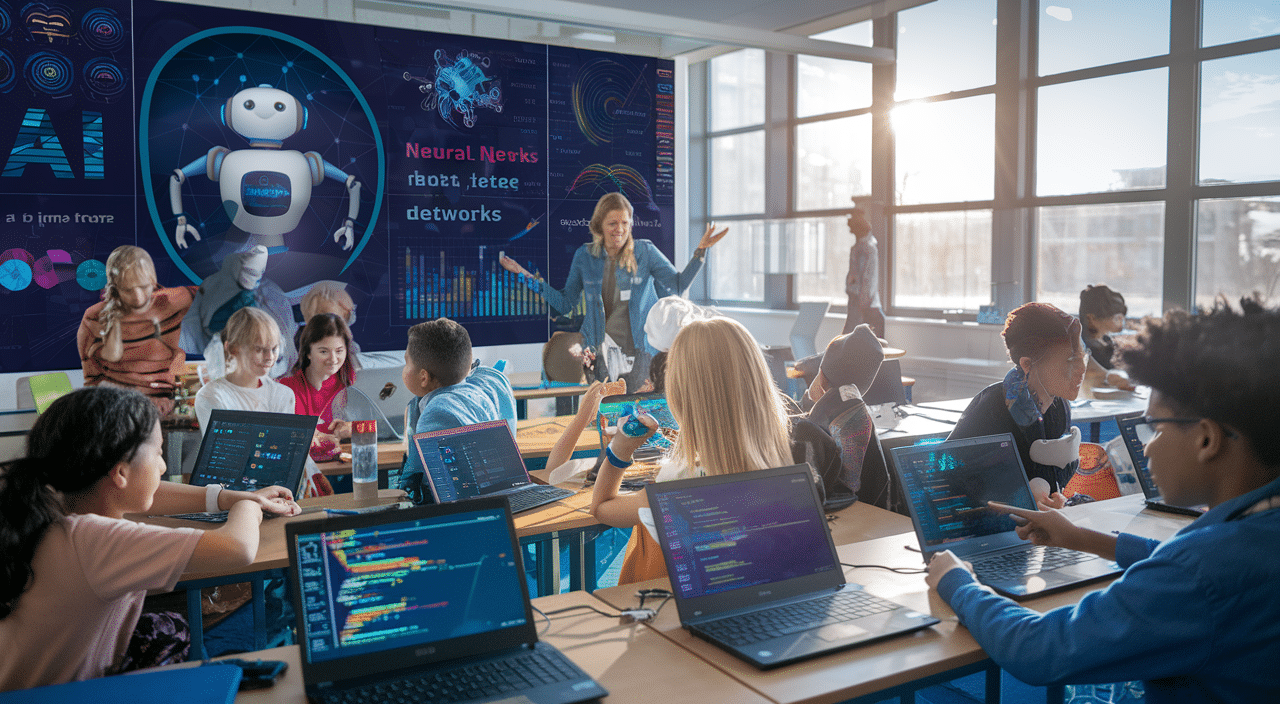
The Growing Importance of AI Literacy in Education
AI is everywhere these days. From the apps on our phones to the smart devices in our homes, it's hard to ignore. This tech boom is making its way into classrooms too. AI literacy is becoming a must-have skill for students. It's not just about knowing how to use tech; it's about understanding how AI works and how it affects our lives. In my classroom, I've seen firsthand how students light up when they grasp these concepts. They start seeing the world differently, recognizing AI's role in everything from social media to online shopping.
AI literacy resources are crucial for helping students navigate this new landscape. These tools are not just for tech-savvy kids but for everyone. They help demystify AI, making it accessible and relatable. As educators, we need to equip our students with these skills. It's part of digital literacy now, and it's essential for their future success.
Challenges in Teaching AI Concepts to Young Learners
Teaching AI is not a walk in the park. The field is always changing, and it can be tough to keep up. Kids often have wild ideas about AI, thanks to movies and TV shows. They might think robots are about to take over the world! One of the biggest challenges is breaking down these misconceptions. It's important to show them the real deal—what AI can and cannot do.
I've found some strategies that work well in my classroom. Using AI literacy resources that are interactive and engaging helps a lot. Kids learn best when they're having fun. Hands-on activities and real-world examples make AI concepts stick. It's also crucial to stay updated with the latest developments in AI. This way, we can provide accurate information and keep our lessons relevant.
Incorporating AI literacy into education is not just about teaching tech skills. It's about preparing students for a future where AI will play a significant role. By using the right resources and strategies, we can make this journey exciting and informative for young learners.
Curating the Best AI Literacy Resources
When diving into AI literacy resources, it's important to know what makes a resource valuable. These resources should be engaging, up-to-date, and easy to understand. They need to break down complex AI concepts into bite-sized pieces that students can digest. Staying current with the latest in AI education is crucial, as the field evolves rapidly. Let's explore some top-notch resources that can make AI learning both fun and effective.
Interactive AI Learning Platforms
Interactive platforms are a fantastic way to introduce students to AI. They offer hands-on experiences that make learning exciting. For example, platforms like Scratch and Code.org provide kid-friendly environments where students can experiment with AI concepts through coding. These platforms are designed to be intuitive, allowing students to learn by doing. They can create projects that demonstrate AI principles, like training a simple AI model or understanding how algorithms work.
AI-Focused Books and Publications
Books and publications are another excellent source of AI literacy resources. They offer in-depth insights into AI, making complex topics more accessible. Some must-read books include "Hello World" by Hannah Fry and "Artificial Intelligence: A Guide to Intelligent Systems" by Michael Negnevitsky. These books simplify AI concepts and provide real-world examples that resonate with both educators and students. Personally, I've found that these resources have enriched my teaching, offering new perspectives and ideas to share with my students.
Online Courses and Webinars
Online courses and webinars are perfect for those who prefer self-paced learning. They offer comprehensive AI education, covering everything from the basics to advanced topics. Platforms like Coursera and edX provide courses led by industry experts, ensuring high-quality content. Webinars, on the other hand, offer opportunities to engage with AI professionals and ask questions in real-time. This format is beneficial for both teachers and students, as it allows for flexibility and personalized learning paths.
| Resource Type | Examples | Benefits |
|---|---|---|
| Interactive Platforms | Scratch, Code.org | Hands-on learning, kid-friendly, engaging |
| Books and Publications | "Hello World," "AI: A Guide" | Simplifies AI concepts, real-world examples |
| Online Courses/Webinars | Coursera, edX | Self-paced, expert-led, flexible learning |
These AI literacy resources are essential for equipping students with the skills they need to navigate a world increasingly influenced by AI. By incorporating these resources into your teaching, you can make AI concepts more accessible and engaging for your students. Remember, the goal is not just to teach them how to use technology but to help them understand the underlying principles that drive it. With the right resources, we can inspire the next generation of AI innovators.
Creating an AI-Infused Curriculum
Incorporating AI literacy into the curriculum is like adding a new layer of excitement to learning. It's not just about teaching students how to use AI tools; it's about helping them understand the principles behind these technologies. To do this, educators can start by weaving AI concepts into existing lesson plans. For instance, in a science class, students can explore how AI is used in environmental monitoring or medical research. In math, they can learn about algorithms and data analysis, which are foundational to AI.
Cross-curricular opportunities abound when it comes to AI literacy. In history, students might investigate the evolution of technology and its societal impacts. In art, they could explore AI-generated art and discuss the intersection of creativity and technology. By integrating AI literacy across subjects, educators can provide students with a holistic understanding of how AI influences various aspects of life.
Collaborating with Tech-Savvy Educators and Experts
Collaboration is key to successfully integrating AI literacy into education. By working with tech-savvy educators and industry experts, teachers can gain valuable insights and resources. These partnerships can lead to the development of innovative teaching strategies and materials that make AI concepts more accessible to students.
One way to foster collaboration is by joining professional learning communities focused on AI education. These communities provide a platform for educators to share ideas, resources, and experiences. Additionally, reaching out to local tech companies or universities can open doors to guest speakers, workshops, and mentorship opportunities for students.
In my own experience, collaborating with experts has been invaluable. It has not only enriched my teaching but also inspired my students to explore AI further. By connecting with professionals in the field, students gain a real-world perspective on AI and its applications.
Encouraging a Growth Mindset in Students
Fostering a growth mindset is essential when teaching AI literacy. Students need to understand that learning about AI is a journey, and it's okay to make mistakes along the way. Encouraging curiosity and a positive attitude toward learning can help students overcome challenges and embrace new concepts.
One effective technique is to create a classroom environment where questions are welcomed and exploration is encouraged. By celebrating small victories and learning moments, educators can help students build confidence in their abilities. Sharing stories of student breakthroughs can also inspire others to persevere in their AI learning journey.
For example, I once had a student who was initially intimidated by coding. Through hands-on activities and encouragement, they gradually gained confidence and eventually created their own AI project. Witnessing their growth and enthusiasm was a reminder of the impact that a supportive learning environment can have on students.
AI literacy resources play a crucial role in this process. By providing students with engaging and accessible materials, educators can make AI concepts more relatable and less daunting. Whether it's through interactive platforms, books, or online courses, these resources empower students to take charge of their learning and explore the world of AI with confidence.
In conclusion, integrating AI literacy into education is not just about teaching technical skills. It's about preparing students for a future where AI will play a significant role in their lives. By using the right resources and strategies, educators can make this journey exciting and informative for young learners. With a focus on collaboration, a growth mindset, and a comprehensive curriculum, we can inspire the next generation of AI innovators.
For more information on AI literacy resources and strategies, check out AI4K12, a valuable resource for educators looking to incorporate AI into their teaching.