post
Where Does School Funding Come From?
The Role of School Funding in Education
School funding is like the backbone of education. Without it, schools can't provide the quality education that students deserve. Funding is crucial because it directly affects the resources available to schools, like textbooks, technology, and extracurricular activities. It also impacts teacher quality since better funding can attract and retain skilled educators. And when schools are well-funded, students tend to perform better academically. I remember when my school got a funding boost, and suddenly we had new computers and more after-school programs. It made learning more exciting and engaging for everyone.
Key School Funding Sources
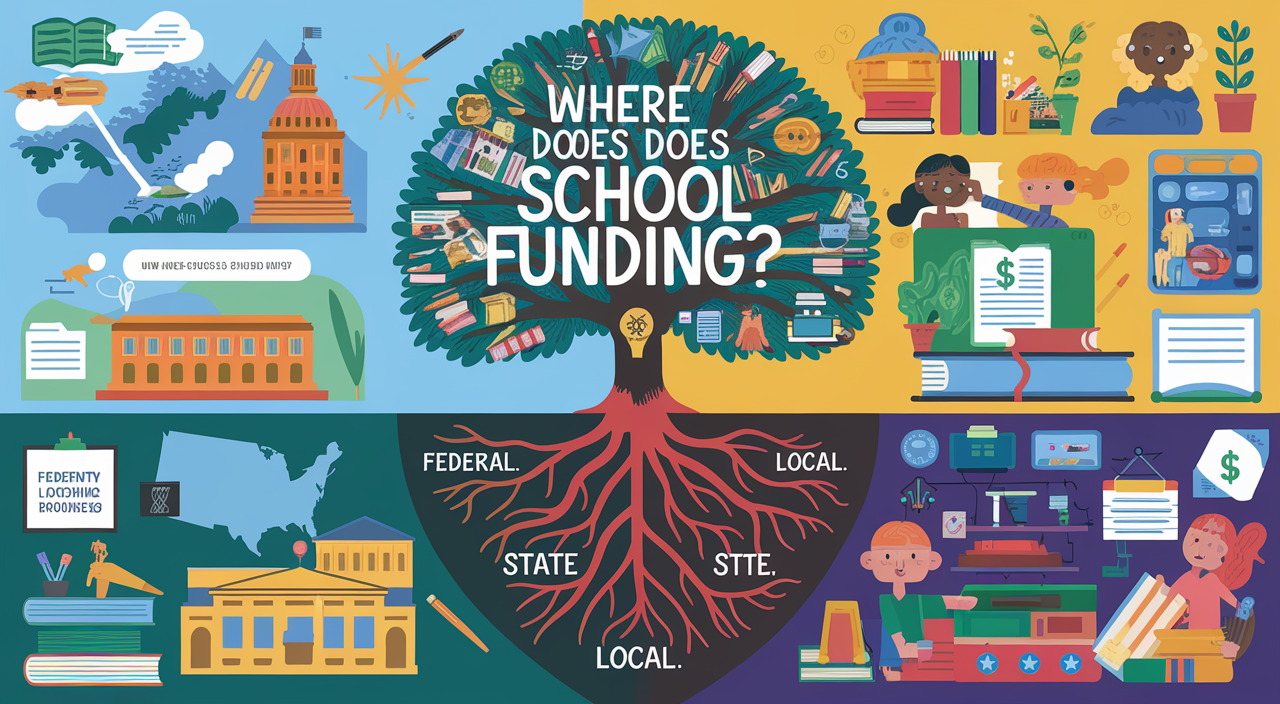
Understanding school funding sources is essential to grasp how education systems work. The main school funding sources are federal, state, and local. Each plays a unique role in ensuring schools have the resources they need. Federal funding usually comes in the form of specific programs or grants, like Title I for schools in low-income areas. State funding is often determined by formulas that consider factors like student enrollment and district needs. Local funding primarily comes from property taxes, which can create disparities between wealthy and less affluent areas.
In my community, I noticed how local funding sources can make a big difference. Schools in areas with higher property values often have more resources, while those in less wealthy neighborhoods struggle to keep up. It's a real challenge to balance these funding sources and ensure every student gets a fair chance at a quality education.
Federal Funding
Federal funding plays a significant role in education, even though it's a smaller piece of the pie compared to state and local funding. Programs like the Individuals with Disabilities Education Act (IDEA) provide crucial support for students with special needs. Federal funding priorities can also influence educational policy, pushing schools to focus on areas like STEM education or early childhood programs. Over the years, I've seen how changes in federal funding can impact schools. Sometimes, new initiatives bring fresh opportunities, while other times, budget cuts force schools to make tough choices.
In conclusion, understanding the different school funding sources is key to appreciating how education systems function. Each source has its own strengths and challenges, and finding the right balance is crucial for providing quality education for all students.
State Funding and Its Impact
State funding is like the engine that keeps schools running smoothly. It decides how much money schools get, and it can be different in every state. Some states have more money to give because they collect more taxes. Others might have less, so they have to make tough choices about what to fund. State funding is usually based on formulas that look at things like how many students are in a school and what their needs are. This means that schools with more students or special needs might get more money.
In some places, state funding is really good, and schools have lots of resources. But in other places, it's not enough, and schools have to make do with what they have. I've seen this firsthand in states I've lived in. Some schools have new buildings and lots of technology, while others struggle to keep the lights on. This can make a big difference in the quality of education students receive.
Local Funding Sources
Local funding is like the cherry on top of the school funding cake. It comes mostly from property taxes, which means that areas with higher property values usually have more money for their schools. This can lead to big differences between schools in wealthy neighborhoods and those in less affluent areas. Schools in richer areas might have more teachers, better facilities, and more extracurricular activities. Meanwhile, schools in poorer areas might have to cut programs or make do with older materials.
This reliance on local funding sources can create challenges and disparities. I've seen how this plays out in my own community. Schools in wealthier neighborhoods often have more resources and opportunities for students. But in less wealthy areas, schools struggle to provide the basics. This can make it hard for students in those schools to compete on an equal footing with their peers in better-funded schools.
The Balance Between State and Local Contributions
Balancing state and local funding sources is like walking a tightrope. States and localities have to work together to make sure schools have enough money to operate. But this can be tricky because each has its own priorities and challenges. States might want to fund certain programs, while localities might have different needs. Finding the right balance is crucial for ensuring that all students have access to quality education.
I've seen how this balance plays out in different places. In some areas, state and local funding sources work together seamlessly, providing schools with the resources they need. But in other places, there are tensions and disagreements about how money should be spent. This can make it hard to provide a consistent level of education across different schools.
In the end, understanding school funding sources and how they work together is key to making sure that all students have the opportunity to succeed. It's important to keep working towards a system that provides fair and equitable funding for all schools, regardless of where they are located.
Challenges Facing School Funding Today
School funding faces many challenges today. Budget cuts are a big problem. When the economy is bad, schools often get less money. This means they have to cut programs or lay off teachers. It's hard for schools to plan when they don't know how much money they'll get each year. Political climates also play a role. Some politicians want to spend less on education, while others want to spend more. This can lead to big changes in funding from year to year.
I remember when my school had to cut art classes because of budget cuts. It was sad because many students loved those classes. It showed me how important funding is for keeping programs alive. Inequities in funding are another challenge. Schools in wealthy areas often have more money than those in poorer areas. This can lead to big differences in the quality of education students receive. It's not fair that some students get more opportunities just because of where they live.
Innovations and Solutions in School Funding
Despite these challenges, there are some exciting innovations in school funding. Public-private partnerships are one way schools are getting more money. Businesses and organizations work with schools to provide funding for specific programs. This can be a great way to get extra resources for things like technology or extracurricular activities. Some schools are also trying alternative funding models. For example, some schools have started crowdfunding campaigns to raise money for specific projects.
There are also successful case studies of schools that have found creative solutions to funding challenges. For example, some schools have partnered with local businesses to provide internships and job training for students. This not only helps students gain valuable skills but also brings in extra funding for the school. I think these innovations hold a lot of promise for the future of school funding. They show that there are ways to get the resources schools need, even when traditional funding sources fall short.
The Future of School Funding
Looking ahead, there are many potential changes in school funding on the horizon. One emerging trend is the push for more equitable funding. Many people are advocating for changes to the way schools are funded to ensure that all students have access to the same opportunities. This could mean changes to how state and local funding is distributed, or new federal programs to support schools in low-income areas.
Another trend is the increasing use of technology in education. As more schools adopt digital tools and online learning platforms, there may be new funding opportunities to support these initiatives. This could include grants for technology upgrades or partnerships with tech companies to provide resources for schools.
I have hopes and concerns about the future of school funding. I hope that we can find ways to provide fair and equitable funding for all schools, regardless of where they are located. But I'm also concerned about the impact of budget cuts and political changes on education. It's important to keep advocating for the resources schools need to provide quality education for all students.
For more information on school funding and its impact, you can visit EdSource. They provide in-depth coverage of education funding issues and trends.