post
Best Top Teaching Trends to Watch in 2025
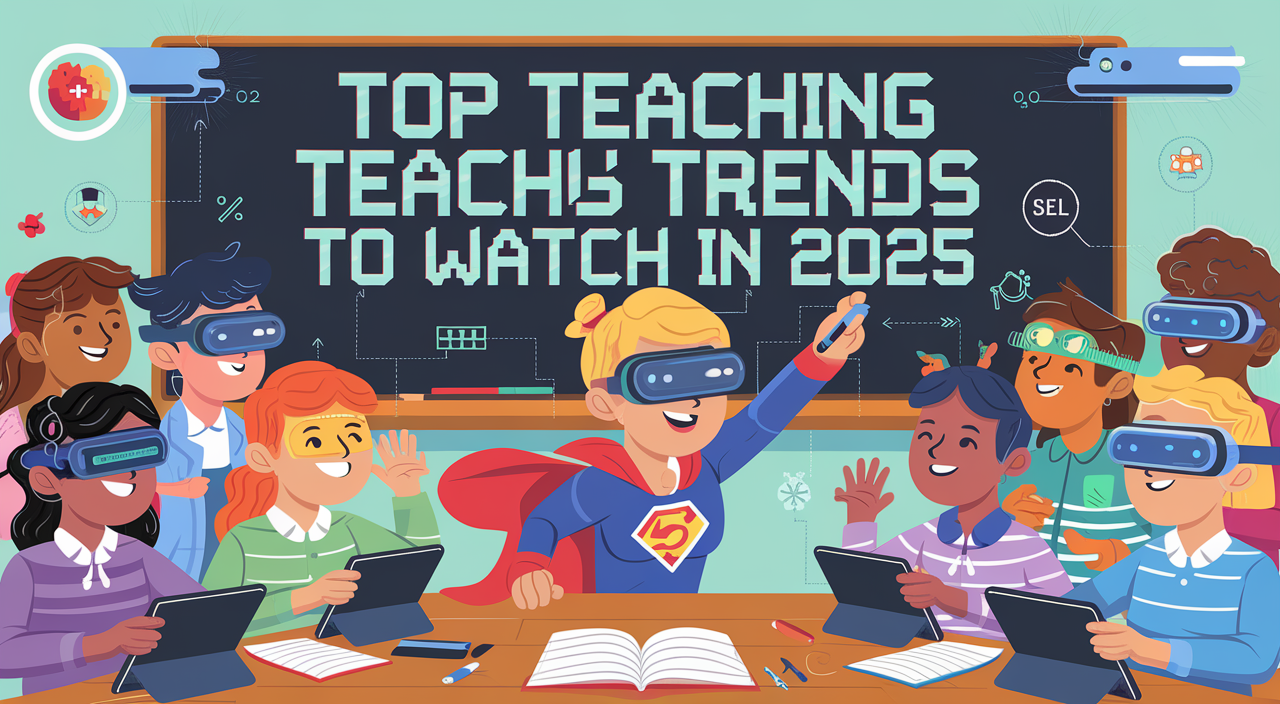
Top Teaching Trends Shaping the Future of Education
Top Teaching Trends are transforming education as we know it. In just the last decade, classrooms have evolved into dynamic, tech-integrated environments that emphasize student voice, engagement, and inclusion. Today’s educators are not just keeping up—they’re leading the way. If schools ignore these shifts, they risk falling behind in preparing students for the modern world. Understanding top teaching trends is crucial for creating relevant and responsive learning experiences. This article explores the most influential trends currently shaping education and how they are changing the teaching profession for the better.
Technology in the Classroom
One of the most noticeable top teaching trends is the integration of technology into everyday instruction. Digital tools like tablets, interactive whiteboards, and online learning platforms are becoming standard in many classrooms. Emerging tools like virtual reality (VR), artificial intelligence (AI), and gamified learning platforms are making education more immersive and personalized.
For example, a VR headset can take students on a virtual tour of the Great Wall of China or deep under the ocean—something unimaginable a generation ago. AI-based learning platforms analyze student performance in real time and adapt content to their unique needs. Gamification, where learning tasks are transformed into fun challenges and games, is engaging students in new and powerful ways.
These tools don’t replace teachers—they empower them. With the right training and support, educators can use technology to reach students in ways that weren’t possible before. Top teaching trends like this are helping bridge gaps and meet students where they are.
Personalized Learning Experiences
Another significant focus among top teaching trends is personalized learning. This trend aims to move away from one-size-fits-all education and instead provide tailored instruction based on a student's strengths, weaknesses, and interests. Adaptive learning software, such as IXL, can pinpoint where a student struggles and adjust content accordingly, giving them a more individualized path forward.
When students are allowed to progress at their own pace and pursue topics that interest them, engagement and retention soar. Educators are seeing improvements in both academic achievement and student confidence. Personalized learning isn’t just a buzzword—it’s a fundamental shift toward equity and effectiveness.
Adaptive learning technologies are great for this. They adjust the lessons based on what the student knows and what they need to learn next. It's like having a personal tutor for every student.
The Role of Social-Emotional Learning (SEL)
Social-Emotional Learning, or SEL, is becoming more important in education. SEL helps students understand and manage their emotions, set goals, and build positive relationships. It's not just about reading and math anymore. SEL is about helping students become better people. Teachers can integrate SEL into different subjects by using group projects or discussions about feelings.
I've noticed that when students learn about emotions, they behave better and do better in school. SEL can really make a difference in how students interact with each other and how they approach learning. Top teaching trends are not only about academics—they include emotional and social well-being as well.
Project-Based Learning (PBL)
Project-Based Learning, or PBL, is a big deal in today’s classrooms and is one of the leading top teaching trends. It’s like when you learn by doing stuff, not just reading about it. PBL helps kids think better and solve problems. It's super cool because students get to work on real projects that matter. Like, they might build a model of a city or create a plan to save the environment.
These projects make learning fun and show students how to use what they learn in real life. Teachers say PBL helps students think on their feet and work together better. When kids finish a project, they feel proud and excited about what they did. It's a great way to learn and grow.
Flipped Classroom Models
Imagine doing homework at school and learning new stuff at home. That's what a flipped classroom is all about. Teachers give students videos or readings to do at home. Then, in class, they do activities and ask questions. This way, students get more help from the teacher when they need it.
Flipping the classroom helps students understand things better because they can learn at their own pace. Teachers also like it because they can spend more time helping students one-on-one. I've seen how students get more involved in learning when they come to class ready to dive into activities. Flipped classrooms are a great example of top teaching trends that empower both students and teachers.
Cross-Disciplinary Approaches
Learning isn't just about one subject at a time anymore. Cross-disciplinary teaching mixes different subjects together. It's like when you mix colors to make a new one. This way, students see how everything connects. For example, a project might mix science and art, like drawing a picture of a volcano and explaining how it works.
When students learn this way, they get more creative and understand things better. Teachers say it helps students see the big picture and think outside the box. Cross-disciplinary projects make learning exciting and show students how to use what they learn in different ways. This is one of the most innovative top teaching trends making classrooms more connected and creative.
Culturally Responsive Teaching
Culturally responsive teaching is all about respecting and including everyone's background in the classroom. It's important because students come from all over, with different stories and traditions. When teachers use culturally responsive teaching, they make sure every student feels seen and heard.
They might include books from different cultures or celebrate different holidays. This helps students feel proud of who they are and learn about others, too. Teachers say it makes the classroom a happier place where everyone feels welcome. It's like building a big family where everyone belongs. Among top teaching trends, this one stands out for building equity and community.
Embracing Lifelong Learning
Learning doesn't stop when school ends. It's something we do all our lives. Encouraging students to love learning forever is super important. When kids see learning as a fun adventure, they keep exploring new things even after they leave school. Teachers can help by showing how learning happens everywhere, not just in classrooms.
For example, reading a book, watching a documentary, or even talking to someone new can teach us a lot. I've found that when I keep learning, I feel more excited and ready for anything. It's like having a superpower that helps me grow and adapt to changes. Top teaching trends support students in developing a mindset of lifelong curiosity.
The Importance of Teacher Professional Development
Teachers need to keep learning too. Professional development helps them get better at teaching and learn new skills. It's like when a superhero trains to become stronger. There are many ways teachers can grow, like attending workshops, joining online courses, or collaborating with other teachers.
When teachers learn new things, they can bring fresh ideas to the classroom. I've seen how professional development makes teachers more confident and creative. It helps them connect with students better and make learning more exciting. Teachers who keep learning inspire their students to do the same. This makes ongoing PD one of the essential top teaching trends to follow.
Anticipating Future Challenges in Education
Education is always changing, and new challenges pop up all the time. It's important to be ready for these challenges so we can keep helping students succeed. Some challenges might include keeping up with technology, meeting diverse student needs, or adapting to new teaching methods.
To overcome these challenges, teachers need to be flexible and open-minded. They can share ideas with each other and find creative solutions. I've learned that being adaptable and resilient helps me face challenges with confidence. It's like being a problem-solver who can tackle anything that comes my way. Top teaching trends are not just about what’s happening now—they’re about preparing for what’s coming next.
Final Thoughts on Current Educational Trends
Staying updated with current educational trends is like having a map that guides us through the ever-changing world of education. Trends like technology in the classroom, personalized learning, and social-emotional learning are shaping the future of education.
By embracing these trends, teachers can create a more engaging and inclusive learning environment for students. It's important to keep exploring and adapting to these changes to help students succeed in school and beyond. Let's continue to innovate and inspire the next generation of learners. For more insights on educational trends, you can visit Edutopia, a great resource for educators looking to stay informed and inspired.