post
Become a Teacher in 2025: The Best Time Is Now
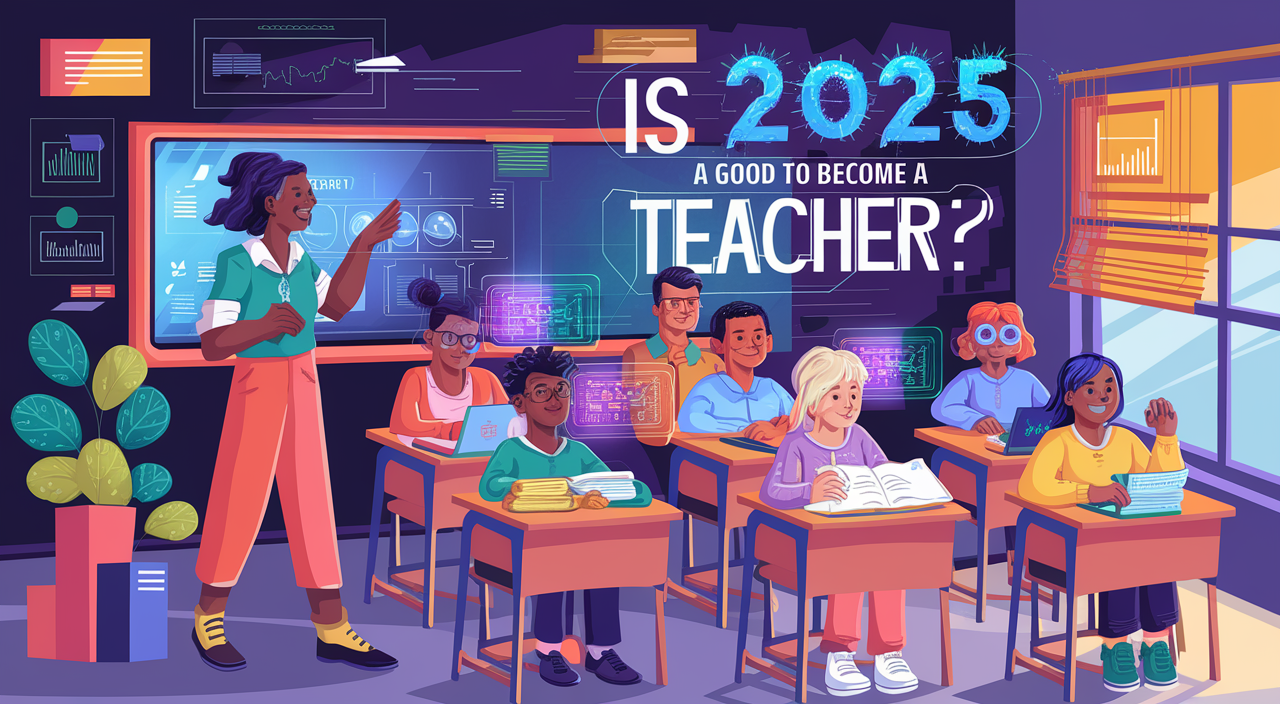
Are you planning to become a teacher in 2025? The teaching profession is evolving quickly, and 2025 is shaping up to be a pivotal year. Whether you’re starting your first job or making a midlife career change, now is a great time to explore what it means to become a teacher in 2025. In this guide, we’ll walk through trends, challenges, opportunities, and how to launch a successful teaching career.
The Current State of the Teaching Profession
The education landscape has changed dramatically in recent years. Teachers today face large class sizes, limited funding, and shifting student needs. At the same time, innovations in teaching methods and digital tools are making it an exciting time to become a teacher. The teaching career outlook for 2025 is shaped by both these challenges and the creative solutions educators are adopting to meet them. More than ever, teaching requires flexibility, resilience, and a commitment to equity and engagement. With the right preparation, those who decide to become a teacher in 2025 will be entering a field that is dynamic and deeply rewarding.Trends and Predictions for the 2025 Teaching Landscape
Several key trends are influencing the teaching career outlook in 2025. First, technology is transforming how instruction is delivered. Interactive platforms, artificial intelligence, and blended learning are becoming common in classrooms. Teachers who adapt to these tools will be more effective and better prepared to engage students. Second, changing demographics mean that students in 2025 will be more diverse than ever. Those who want to become a teacher must be prepared to support learners from a wide range of backgrounds. Understanding equity, inclusion, and differentiated instruction is a must. Finally, teacher shortages are projected to continue into 2025. This makes it a promising time to enter the profession, especially in high-need areas like math, science, and special education.How Policy and Funding Will Shape Careers in 2025
If you want to become a teacher in 2025, understanding education policy is crucial. Federal and state legislation impacts curriculum standards, teacher evaluations, and school budgets. Policies that promote personalized learning, social-emotional education, and teacher training are likely to expand over the next few years. Funding remains a challenge. Many schools operate with limited resources, which impacts hiring, class sizes, and access to materials. However, new initiatives—such as federal grants and programs like the Future Ready Teachers Initiative—are aimed at improving teacher support and school resources by 2025.Is 2025 the Right Year to Become a Teacher?
Yes—2025 is a great year to become a teacher. Demand for qualified teachers is strong, especially in underserved communities. If you’re passionate about education, now is the time to take that step. Teaching is not without its difficulties, but many teachers find great satisfaction in helping students succeed. With new technology and flexible learning environments, teaching has become more dynamic. If you choose to become a teacher in 2025, you’ll have the opportunity to explore new teaching methods, integrate digital tools, and shape your own career path.Preparing to Become a Teacher in 2025
To become a teacher in 2025, you'll need to meet your state's certification requirements, which generally include earning a bachelor’s degree, completing a teacher preparation program, and passing required exams. In some states, alternative pathways also exist for professionals transitioning from other careers. Besides credentials, successful teachers in 2025 will be expected to demonstrate adaptability, digital fluency, and cultural awareness. Being open to feedback, collaborating with colleagues, and investing in continuous professional development are also key parts of the job.Essential Skills for Future Educators
- Proficiency with educational technology tools
- Strong communication and leadership abilities
- Understanding of diverse learning needs and inclusive practices
- Capacity to manage classroom behavior effectively
- Commitment to lifelong learning and growth