post
7 Powerful Modern Learning Solutions for Success
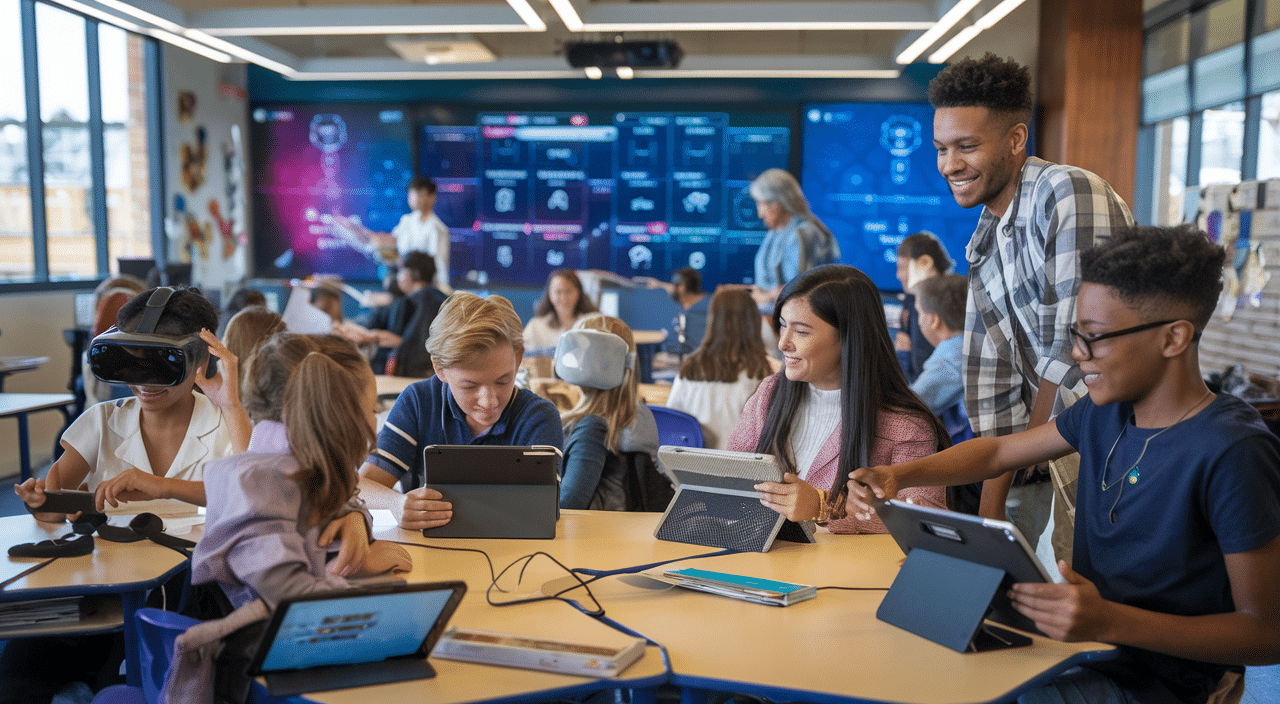
The Shift from Traditional to Modern Learning
Traditional education models, once the cornerstone of learning, are struggling to keep up with today's fast-paced world. They often lack the flexibility and adaptability needed to meet the demands of modern learners. With the rise of remote work and global teams, the need for modern learning solutions has never been more apparent. Technology is advancing at lightning speed, and education must evolve to keep pace.
In my experience, I've seen firsthand how the needs of learners are changing. Students today are more diverse, with unique backgrounds and goals. They crave learning experiences that are not only flexible but also engaging and personalized. The old one-size-fits-all approach just doesn't cut it anymore. I've noticed this shift even in elementary classrooms, where students are eager for interactive and dynamic learning opportunities.
Key Characteristics of Modern Learners
Modern learners come from all walks of life, each bringing their own set of experiences and aspirations to the table. They demand learning experiences that are tailored to their individual needs. Flexibility is key, as many juggle various responsibilities alongside their education. Engaging content that captures their attention is essential, and personalization is no longer a luxury—it's a necessity.
In elementary education, these characteristics are increasingly visible. Young learners today are tech-savvy and expect their educational experiences to reflect the digital world they live in. They thrive in environments that offer choice and cater to their interests. I've seen how providing students with options and incorporating technology into lessons can lead to more meaningful and impactful learning experiences.
The Role of Technology in Modern Learning
Technology is a powerful catalyst for modern learning solutions. It has the potential to transform education by making it more accessible, engaging, and personalized. Digital tools and resources are being integrated into classrooms to enhance learning in ways that were once unimaginable.
In my own teaching, I've witnessed the positive impact of technology on student learning. Tools like interactive whiteboards, educational apps, and online collaboration platforms have revolutionized the way students engage with content. These technologies not only make learning more interactive but also allow for real-time feedback and assessment, helping students stay on track and motivated.
In conclusion, the shift from traditional to modern learning is driven by the changing needs of learners and the rapid advancements in technology. Modern learning solutions are essential to meet these demands, offering flexible, engaging, and personalized experiences that cater to the diverse backgrounds and goals of today's students. By embracing technology and adapting to the evolving educational landscape, we can create a future-ready learning environment that empowers students to succeed.
Blended Learning Environments
Blended learning environments are changing how we think about education. By combining traditional teaching with digital tools, students get the best of both worlds. It's like mixing old-school learning with new tech. This approach lets teachers use online resources to make lessons more exciting. Students can learn at their own pace, which is super important. In my classroom, I've seen how blended learning keeps kids interested. They love using tablets and computers alongside books. It's a win-win because they get to explore topics in a way that suits them best.
Implementing blended learning doesn't have to be hard. Start small by adding online quizzes or videos to your lessons. This way, students can review materials whenever they need. I've noticed that when students have access to digital content, they feel more in control of their learning. It boosts their confidence and makes them more eager to participate. Modern learning solutions like blended learning are essential for today's diverse classrooms.
Adaptive Learning Technologies
Adaptive learning technologies are game-changers in education. These tools adjust to each student's learning style and pace. Imagine a classroom where every student gets a personalized experience. That's what adaptive learning offers. It helps teachers identify areas where students struggle and provides targeted support. In my experience, using adaptive tools has made a big difference. Students who once felt left behind now have a chance to catch up.
These technologies are especially helpful for young learners. They provide instant feedback, which keeps students motivated. Kids love seeing their progress in real-time. It makes learning feel like a fun challenge rather than a chore. By incorporating adaptive learning technologies, we can create a more inclusive environment. Modern learning solutions like these ensure that no student is left behind.
Gamification in Education
Gamification is a buzzword in education for a reason. It turns learning into a fun and engaging experience. By using game-like elements in lessons, students become more motivated. They earn points, badges, or rewards for completing tasks. This approach taps into their natural love for games. I've seen firsthand how gamification can transform a classroom. Students are more eager to participate and take on challenges.
Incorporating gamification doesn't require a complete overhaul. Simple changes like adding a leaderboard or creating a classroom challenge can make a big impact. Students love the sense of competition and achievement. It encourages them to push their limits and strive for excellence. Modern learning solutions like gamification make education more exciting and effective.
Collaborative Learning Platforms
Collaboration is key in today's world. Collaborative learning platforms allow students to work together, even if they're miles apart. These platforms foster teamwork and communication skills, which are essential for future success. In my classroom, I've seen how students thrive when they collaborate. They learn from each other and develop a sense of community.
Using collaborative platforms is easy. Tools like Google Classroom or Microsoft Teams enable students to share ideas and work on projects together. It creates a dynamic learning environment where everyone contributes. Modern learning solutions like these prepare students for the real world. They learn to value different perspectives and work towards common goals.
Incorporating these modern learning solutions into the classroom can transform education. By embracing blended learning, adaptive technologies, gamification, and collaboration, we can create a more engaging and effective learning experience. These solutions cater to the diverse needs of today's students, ensuring that everyone has the opportunity to succeed.
Microlearning for Quick Skill Acquisition
Microlearning is a modern learning solution that breaks down information into bite-sized chunks. This approach is perfect for today's learners who often juggle multiple responsibilities. By focusing on small, manageable pieces of content, students can quickly acquire new skills without feeling overwhelmed. In my classroom, I've seen how microlearning can be seamlessly integrated into daily routines. For instance, using short videos or quick quizzes at the start of a lesson can set the tone for the day and engage students right away.
One of the biggest advantages of microlearning is its flexibility. Students can access content anytime, anywhere, making it ideal for those with busy schedules. This approach also allows for repetition, which is crucial for retention. I've noticed that when students revisit microlearning activities, they reinforce their understanding and build confidence. Modern learning solutions like microlearning cater to the fast-paced nature of today's world, ensuring that students can keep up with the demands of their education.
Virtual and Augmented Reality
Virtual and augmented reality (VR and AR) are revolutionizing the way we think about education. These technologies create immersive learning experiences that captivate students' attention and spark their curiosity. In elementary education, VR and AR can transport students to different worlds, allowing them to explore new concepts in a hands-on way. I've had the opportunity to use VR in my classroom, and the reactions from students have been nothing short of amazing. They are more engaged and eager to learn when they can interact with the material in a virtual environment.
Practical applications of VR and AR in education are vast. For example, students can take virtual field trips to historical sites or explore the human body in 3D. These experiences make learning more tangible and memorable. By incorporating VR and AR into lessons, we can provide students with a deeper understanding of complex topics. Modern learning solutions like these not only enhance engagement but also foster a love for learning that extends beyond the classroom.
Social and Emotional Learning Tools
Social and emotional learning (SEL) is an essential component of modern education. It focuses on developing students' emotional intelligence, empathy, and interpersonal skills. In today's world, where collaboration and communication are key, SEL is more important than ever. Tools and techniques that support SEL in the classroom can have a profound impact on student well-being and academic success.
In my experience, incorporating SEL into lessons has led to a more positive classroom environment. Students are more empathetic and supportive of one another, which fosters a sense of community. Activities like group discussions, role-playing, and mindfulness exercises can help students develop their social and emotional skills. Modern learning solutions that prioritize SEL ensure that students are not only academically prepared but also equipped to navigate the complexities of life.
Embracing a Future-Ready Mindset
As educators, it's crucial to remain open to new methods and technologies. The landscape of education is constantly evolving, and we must adapt to meet the needs of modern learners. Embracing a future-ready mindset means being willing to experiment with different approaches and continuously learn from our experiences. In my journey of adopting modern learning solutions, I've discovered the importance of flexibility and innovation.
One of the key aspects of a future-ready mindset is the willingness to embrace change. This involves letting go of traditional methods that no longer serve our students and exploring new possibilities. By staying informed about the latest trends and technologies, we can create a dynamic learning environment that empowers students to succeed. Modern learning solutions are not just about incorporating technology; they're about reimagining education to better serve the diverse needs of today's learners.
For educators looking to stay ahead of the curve, resources like Edutopia offer valuable insights and practical tips for implementing modern learning solutions. By engaging with the broader educational community, we can share ideas and learn from one another's experiences. This collaborative approach ensures that we are continuously improving and adapting to the ever-changing educational landscape.
In conclusion, modern learning solutions are essential for creating a future-ready learning environment. By embracing blended learning, adaptive technologies, gamification, collaboration, microlearning, VR and AR, and SEL, we can provide students with engaging and personalized learning experiences. These solutions cater to the diverse needs of today's learners, ensuring that everyone has the opportunity to succeed. As educators, it's our responsibility to remain open to new methods and technologies, fostering a love for learning that extends beyond the classroom.